Patients
Intake Forms


 From Injury to Independence: How Physical Therapy Supports Brain Recovery
By Frank J. Scerbo, PT, DPT ///
March is recognized nationwide as Brain Injury Awareness Month, led by the Brain Injury Association of America (BIAA). It is a time to elevate awareness about traumatic brain injuries (TBI), support survivors and their families, and highlight the importance of early intervention and rehabilitation.
At our Scerbo Physical Therapy & Sports Rehabilitation clinic in Edgewater, NJ, we see firsthand how brain injuries affect individuals and families of all ages. This month, we want to help our patients—both current and prospective—better understand the scope of brain injury in the United States and how comprehensive physical therapy, particularly through neuro-rehabilitation, plays a vital role in recovery.
According to the Centers for Disease Control and Prevention (CDC):
Each year, there are millions of emergency department visits, hospitalizations, and deaths related to traumatic brain injury in the U.S.
TBI is a major cause of disability across all age groups.
Falls are the leading cause of TBI, especially among older adults and young children.
Motor vehicle crashes and sports-related injuries remain significant contributors.
The Brain Injury Association of America further reports that over 5 million Americans are living with a permanent brain injury-related disability. Many more experience short- and long-term symptoms that interfere with work, school, athletics, and daily life.
A traumatic brain injury occurs when an external force—such as a blow, jolt, or penetrating injury—disrupts normal brain function. Concussions, often described as “mild” TBIs, are common but should never be taken lightly. Even mild injuries can have lasting cognitive, physical, and emotional effects if not properly treated.
Brain injuries can happen to anyone, but certain populations are at greater risk:
1. Older Adults (Falls)
Falls are the leading cause of TBI-related hospitalizations among adults 65 and older. Age-related changes in balance, muscle strength, and reaction time increase fall risk. Even a single fall can result in significant neurological impairment and long-term disability.
2. Children and Teens (Falls & Playground Accidents)
Young children are vulnerable to head injuries due to falls at home and playground incidents. Teens face increased risks from recreational activities and sports participation.
3. Athletes (Sports-Related Concussions)
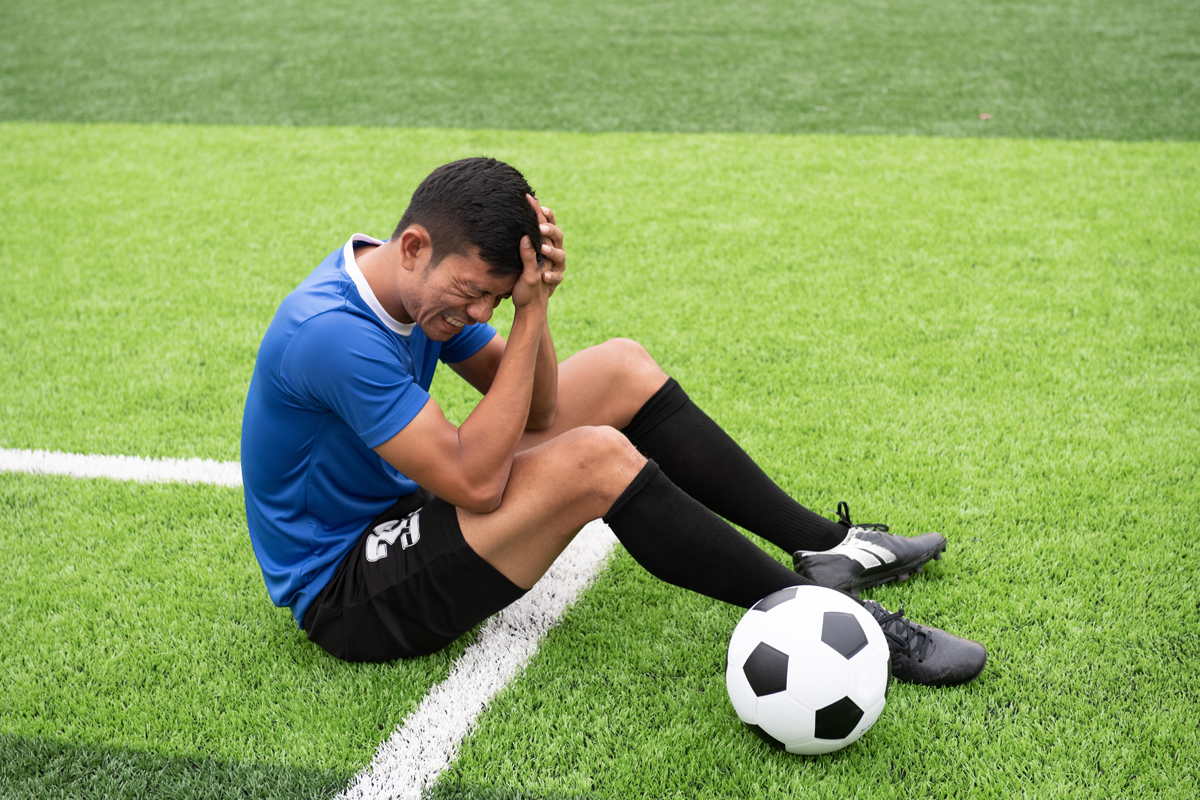
Sports and recreational activities are leading causes of concussions among adolescents. Contact sports such as football and soccer carry higher risk due to repetitive impacts and collisions. Proper diagnosis and rehabilitation are critical to avoid prolonged symptoms and second-impact syndrome.
4. Motor Vehicle Crashes
Car, motorcycle, and pedestrian accidents are a major cause of moderate to severe TBIs. These injuries often require extensive, multidisciplinary rehabilitation.
5. Occupational Hazards
Workers in construction, transportation, warehousing, and industrial settings face elevated risks due to falls from height, equipment-related incidents, and impact injuries.
Recovery from a brain injury is not one-size-fits-all. Symptoms can include:
Dizziness and balance problems
Headaches
Muscle weakness
Impaired coordination
Visual disturbances
Fatigue
Gait abnormalities
Reduced endurance
Cognitive-motor dysfunction
Physical therapy is a cornerstone of neuro-rehabilitation because it addresses both the neurological and musculoskeletal consequences of brain injury.
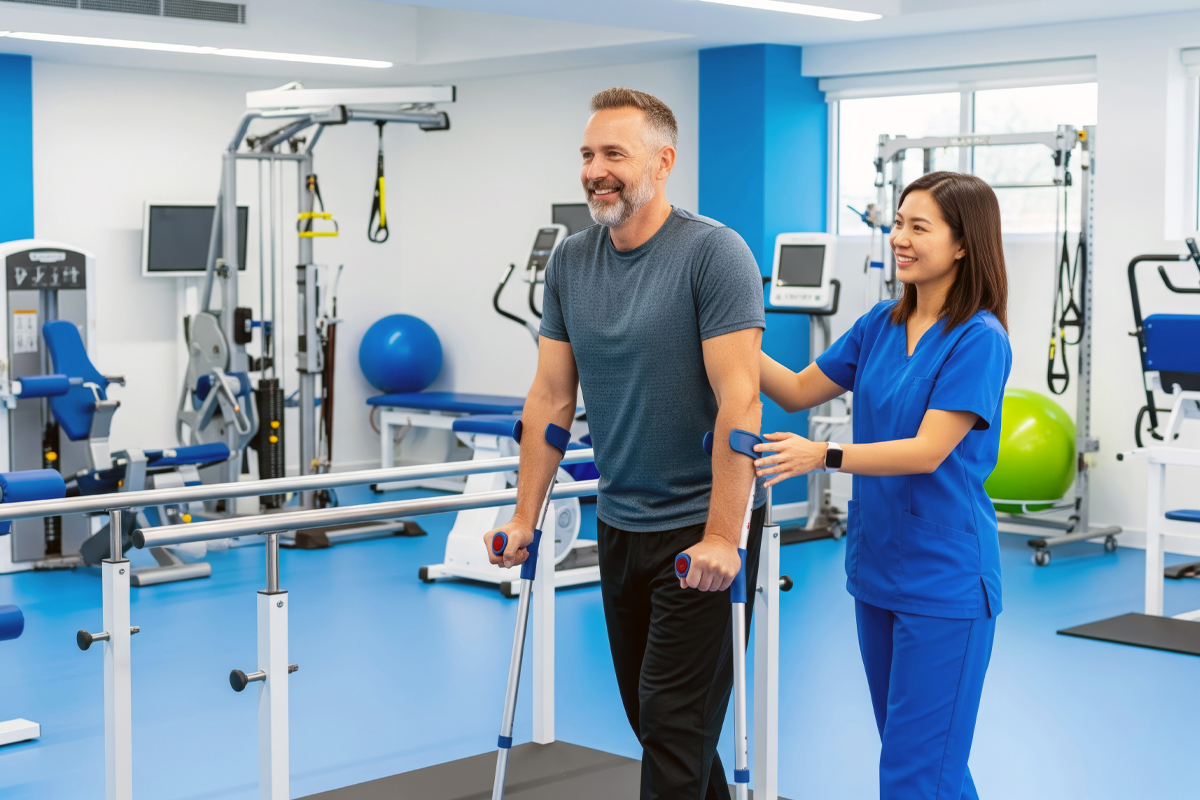
Through our Neurological Disorders Rehabilitation program, we treat patients recovering from concussions, mild to severe TBIs, and post-traumatic neurological impairments. Our treatment approach is individualized and evidence-based, focusing on restoring function, independence, and quality of life.
Examples of therapeutic modalities we utilize include:
Balance and Vestibular Therapy
For patients experiencing dizziness, vertigo, and post-concussion imbalance.
Gait Training and Functional Mobility Retraining
To improve walking mechanics, coordination, and safety in daily movement.
Neuromuscular Re-education
To restore proper motor control and coordination after neurological disruption.
Strength and Endurance Conditioning
To combat deconditioning and muscle weakness following injury or hospitalization.
Proprioceptive and Motor Control Training
Critical for athletes returning to sport and older adults working to prevent future falls.
Manual Therapy and Soft Tissue Techniques
To address associated cervical spine dysfunction often seen in concussion cases.
Sport-Specific and Return-to-Activity Programming
Gradual, supervised progression for student-athletes and active adults.
Fall Prevention Programs for Older Adults
Focused on improving balance, reaction time, and confidence.
Our goal is not only symptom resolution, but long-term resilience—reducing the likelihood of reinjury and restoring optimal physical performance.
One of the most important messages during Brain Injury Awareness Month is this: Do not ignore symptoms.
Even subtle signs—difficulty concentrating, balance instability, persistent headaches—can indicate underlying neurological dysfunction. Early evaluation and rehabilitation significantly improve outcomes and reduce the risk of chronic complications.
For athletes, proper management prevents premature return to play.
For older adults, therapy reduces fall risk and future injury.
For working professionals, early rehab shortens downtime and supports a safer return to duty.
At our Edgewater, NJ Physical Therapy & Sports Rehabilitation clinic, we are committed to helping individuals of all ages recover from brain injury and return to the activities they love—whether that’s walking safely at home, competing on the field, or returning to work.
Brain injuries are a major public health issue—but recovery is possible. With the right clinical guidance, individualized rehabilitation, and consistent care, patients can rebuild strength, coordination, and confidence.
If you or a loved one has experienced a concussion or traumatic brain injury, we encourage you to seek evaluation. Our Neuro-Rehabilitation team is here to guide you through every stage of recovery.
Contact us today to schedule an evaluation and learn how our specialized Orthopedic Physical Therapy and Neurological Disorders Rehabilitation services can support your recovery journey.
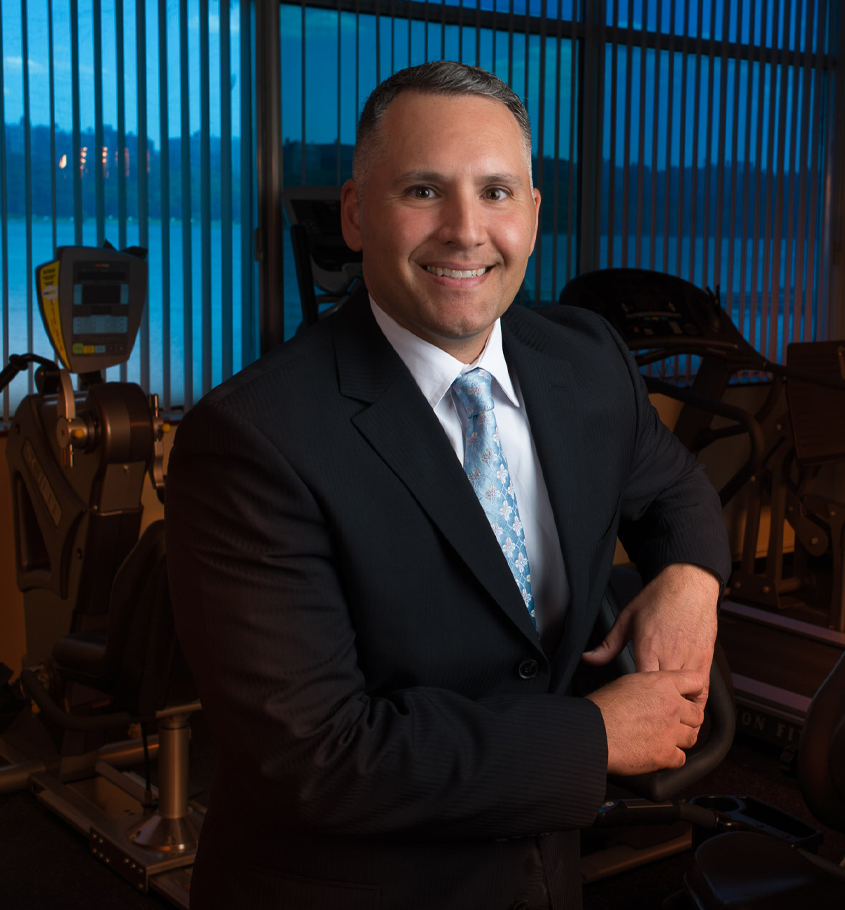 Dr. Frank J. Scerbo, PT, DPT, MS, CSCS, received his Master of Science in Physical Therapy from Columbia University and his Doctorate in Physical Therapy from The University of Medicine and Dentistry of New Jersey (now Rutgers University). He is a Certified Advanced Hip Clinician and Certified Overhead Athlete Specialist through the Hospital For Special Surgery. His specialty is in the area of adult and pediatric orthopedic physical therapy, with a particular interest in post-surgical rehabilitation. Dr. Scerbo is a member of the American Physical Therapy Association, the American College of Sports Medicine, and the National Strength and Conditioning Association. He is an adjunct Professor for the Kean University Physical Therapy Program. He has been on the advisory board for the Hospital for Special Surgery’s Rehabilitation Network for the past 10 years.
If you would like to book an appointment with Dr. Scerbo or any of our expert licensed physical therapists, please call us at (201) 941-2240 or use our convenient online appointment form.