Patients
Intake Forms


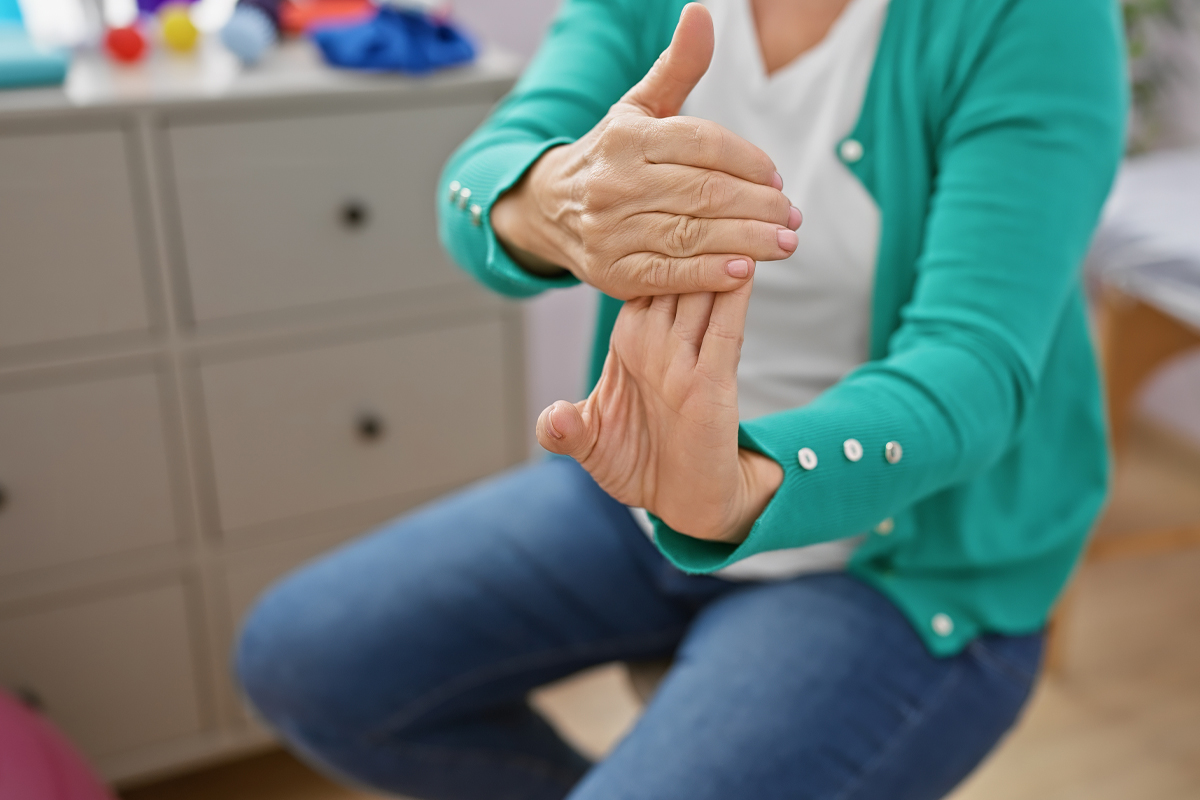 Common Hand Injuries and Conditions Physical Therapy Can Treat—and Help You Recover From
By Frank J. Scerbo, PT, DPT ///
Your hands are essential to nearly everything you do—working, exercising, cooking, driving, and caring for yourself and others. When hand pain, stiffness, or weakness develops, daily activities can quickly become difficult or even impossible. Whether symptoms develop gradually over time or occur suddenly due to an accident or sports injury, many hand conditions respond extremely well to physical therapy.
Early intervention is critical. Without proper treatment, hand injuries and conditions can lead to chronic pain, loss of function, and muscle atrophy.
Below are some of the most common hand conditions we see at Scerbo Physical Therapy & Sports Rehabilitation that benefit from targeted physical therapy, along with how a personalized rehabilitation program can relieve pain, restore mobility, and help you safely return to daily activities, work, and sports.
Carpal Tunnel Syndrome occurs when the median nerve becomes compressed as it passes through the wrist. This condition is commonly associated with repetitive hand motions, prolonged computer use, or sustained gripping activities.
Common symptoms include:
Numbness or tingling in the thumb, index, and middle fingers
Hand weakness or frequent dropping of objects
Pain that may travel into the forearm
If untreated, prolonged nerve compression can lead to muscle wasting (atrophy) at the base of the thumb, significantly affecting grip strength and fine motor control.
How physical therapy helps:
Hand therapy focuses on nerve-gliding exercises, wrist and forearm mobility, postural correction, strengthening, and ergonomic education to reduce nerve pressure and improve hand function—often helping patients avoid surgery.
Tendon injuries can develop gradually from overuse or suddenly due to trauma, sports participation, or workplace accidents. Tendinitis causes inflammation and pain, while partial or complete tendon tears can severely limit motion and strength.
Common symptoms include:
Pain during gripping or finger movement
Swelling or tenderness along the tendon
Weakness and reduced hand coordination
Without proper rehabilitation, tendon injuries may heal improperly, leading to stiffness, chronic pain, and long-term functional limitations.
How physical therapy helps:
Treatment includes controlled strengthening, stretching, soft tissue mobilization, and activity modification to promote proper healing while restoring strength and flexibility.
Arthritis affecting the hands can cause joint pain, swelling, stiffness, and deformity, interfering with daily tasks such as buttoning clothes or opening jars.
Common symptoms include:
Morning stiffness
Joint swelling and tenderness
Decreased grip strength and dexterity
As pain increases, people often avoid using the affected hand, which can lead to muscle weakness and atrophy over time.
How physical therapy helps:
Hand therapy emphasizes joint mobility, strengthening, pain management strategies, joint protection techniques, and functional training to help maintain independence and reduce discomfort.
Hand fractures and ligament sprains frequently occur during falls, motor vehicle accidents, workplace injuries, or unexpected impacts. Even after the bone or ligament heals, lingering stiffness, weakness, and pain are common.
Common post-injury challenges include:
Limited finger or wrist movement
Swelling and residual pain
Loss of strength and coordination
Without rehabilitation, immobilization can result in joint stiffness and muscle wasting.
How physical therapy helps:
Rehabilitation focuses on restoring range of motion, rebuilding strength, managing swelling, and safely progressing functional use of the hand.
Athletes of all ages are at risk for hand injuries due to falls, collisions, overuse, or high-impact activities. Common sports-related injuries include finger dislocations, ligament sprains, tendon injuries, fractures, and repetitive strain conditions.
Common symptoms include:
Pain or instability during gripping or weight-bearing
Swelling and decreased motion
Reduced performance and confidence during play
Ignoring these injuries can result in prolonged recovery, reinjury, or permanent limitations.
How physical therapy helps:
Hand therapy incorporates sport-specific strengthening, coordination training, mobility work, and injury-prevention strategies to help athletes return safely and confidently to their sport.
Trigger finger occurs when inflammation restricts smooth tendon movement, causing a finger to catch or lock during bending or straightening.
Common symptoms include:
Finger stiffness, especially in the morning
Pain or clicking during motion
Locking in a bent position
If untreated, trigger finger can worsen and significantly limit hand use.
How physical therapy helps:
Treatment may include tendon-gliding exercises, stretching, manual therapy, and activity modification to restore smooth, pain-free motion.
A licensed physical therapist will develop a customized treatment plan based on your condition, activity level, and recovery goals. Most patients experience a combination of:
Pain and inflammation management
Hands-on manual therapy
Stretching and strengthening exercises
Tendon and nerve-gliding techniques
Functional and task-specific training
Education to prevent future injury
Each program is designed to address your specific needs and support safe, long-term recovery.
Specialized Hand Therapy Care Near You
Our ScerboPT clinic in Edgewater, NJ, provides expert care for a wide range of hand conditions, injuries, and pre- and post-surgical rehabilitation needs. In many cases, physical therapy can help patients achieve full recovery and avoid surgery. When surgery is necessary, hand therapy plays a vital role in preparing the hand beforehand and optimizing recovery afterward.
If you are experiencing hand pain, stiffness, weakness, or numbness—whether from overuse, sports, or a sudden accident—early treatment can make a meaningful difference.
In the State of New Jersey, you can see a physical therapist without a doctor’s prescription through Direct Access.
Contact us today to schedule an evaluation and begin your recovery.
Visit scerbopt.com to learn more about the benefits of Direct Access and how it leads to faster healing.
Your hands are essential to your independence—let us help you restore strength, comfort, and confidence.
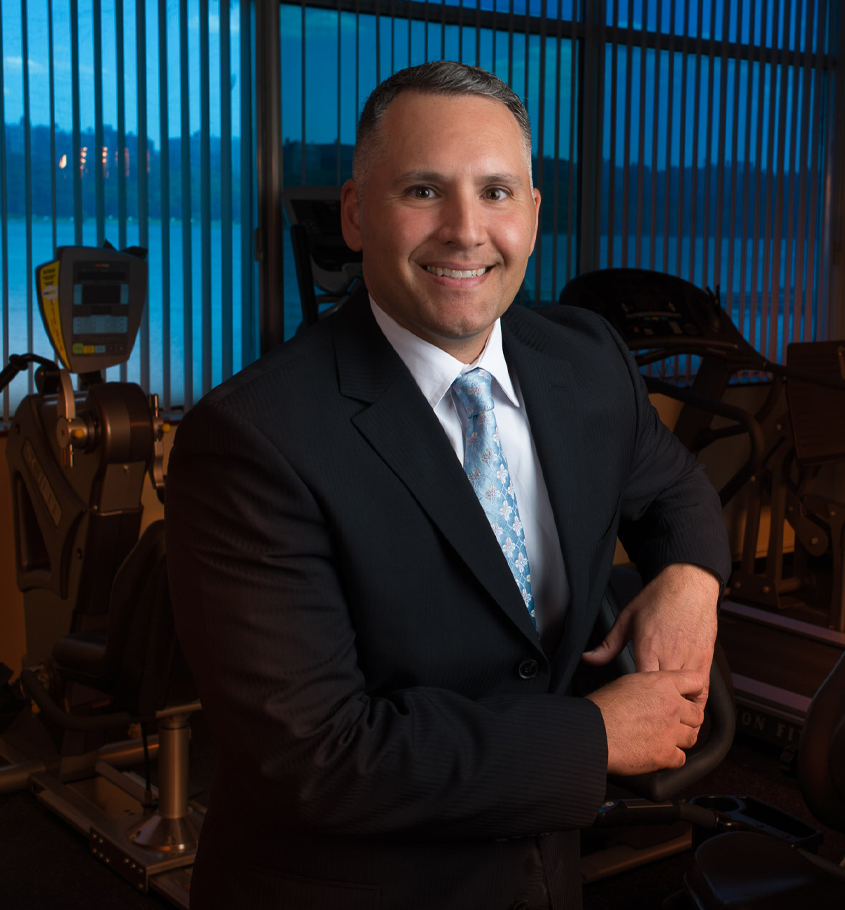 Dr. Frank J. Scerbo, PT, DPT, MS, CSCS, received his Master of Science in Physical Therapy from Columbia University and his Doctorate in Physical Therapy from The University of Medicine and Dentistry of New Jersey (now Rutgers University). He is a Certified Advanced Hip Clinician and Certified Overhead Athlete Specialist through the Hospital For Special Surgery. His specialty is in the area of adult and pediatric orthopedic physical therapy, with a particular interest in post-surgical rehabilitation. Dr. Scerbo is a member of the American Physical Therapy Association, the American College of Sports Medicine, and the National Strength and Conditioning Association. He is an adjunct Professor for the Kean University Physical Therapy Program. He has been on the advisory board for the Hospital for Special Surgery’s Rehabilitation Network for the past 10 years.
If you would like to book an appointment with Dr. Scerbo or any of our expert licensed physical therapists, please call us at (201) 941-2240 or use our convenient online appointment form.