Patients
Intake Forms


 Iliotibial Band Syndrome: Why That Outside Knee Pain Shouldn’t Be Ignored
By Frankie Goris, PT, DPT ///
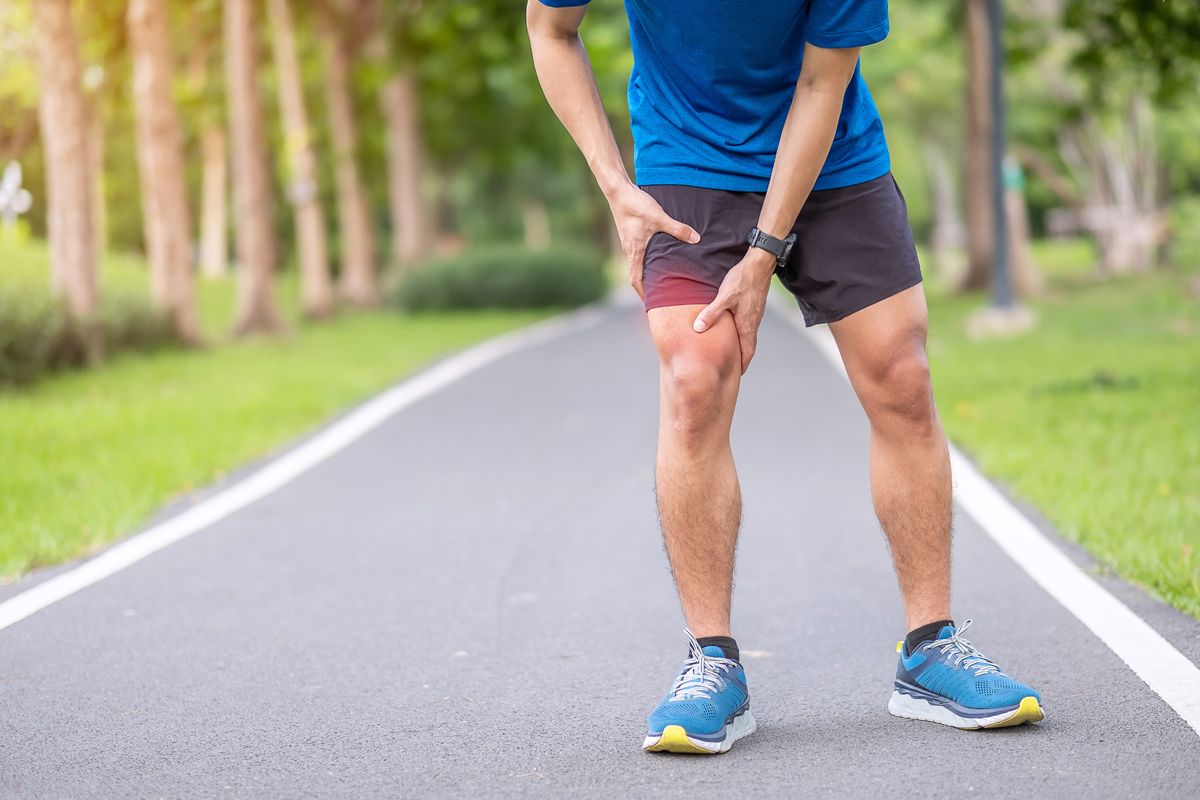
If you’re a runner, cyclist, or someone who enjoys staying active, pain along the outside of the knee can quickly turn a normal workout into a frustrating setback. One of the most common causes of this type of pain is Iliotibial Band Syndrome (ITBS), often referred to as IT band syndrome. It’s considered the leading cause of lateral knee pain in runners and cyclists and is responsible for a significant percentage of running-related injuries. According to orthopedic and sports medicine experts from Hospital for Special Surgery (HSS) and Cleveland Clinic, Iliotibial Band Syndrome (ITBS) is one of the most common causes of lateral knee pain in runners and cyclists, affecting an estimated 5% to 14% of runners, particularly long-distance athletes.
At Scerbo Physical Therapy & Sports Rehabilitation, we often see this condition in both competitive athletes and active individuals seeking to maintain a healthy lifestyle. The good news is that with the right physical therapy approach, most patients can successfully recover, reduce pain, and safely return to the activities they enjoy.
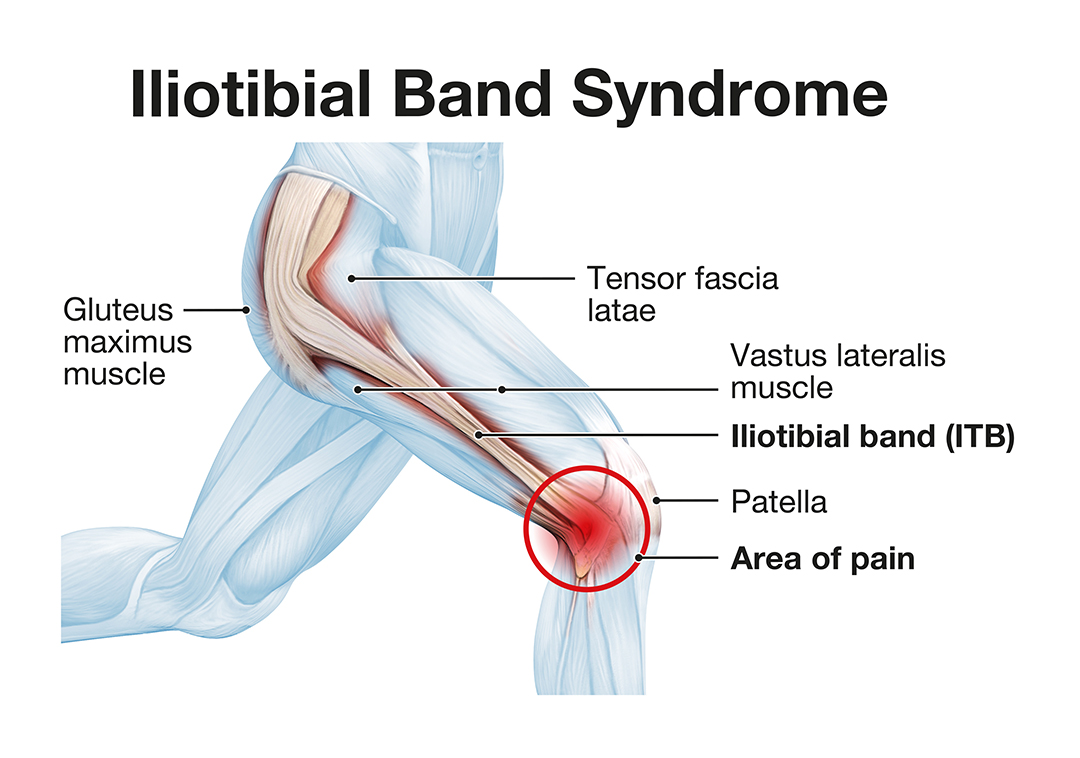
The iliotibial band is a thick band of connective tissue that runs along the outside of the thigh, from the hip to the knee. Its role is to help stabilize the hip and knee during movement.
IT band syndrome develops when excessive compression and irritation occur along the outside of the knee, especially during repetitive bending and straightening motions such as running, cycling, hiking, or stair climbing. While many people assume the issue starts at the knee itself, the root cause is often connected to poor movement mechanics higher up the chain, particularly at the hip and core.
That’s why at SceboPT, we focus on identifying where the problem truly begins rather than treating only the painful area.
There’s rarely a single reason why someone develops ITBS. In most cases, it’s a combination of movement dysfunction, muscle weakness, and training errors.
Some of the most common contributors we identify during physical therapy evaluations include:
• Hip Abductor Weakness
Weakness in the muscles around the hips can reduce pelvic stability during walking and running. This often causes the knee to move inward excessively, increasing stress and compression along the IT band.
• Poor Single-Leg Control
Running and stair climbing are essentially controlled single-leg activities. If balance, coordination, and control are compromised, excessive strain can develop at the knee.
• Sudden Changes in Training Load
Increasing mileage too quickly, adding hills, changing cycling intensity, or returning to exercise too aggressively after time off can overload tissues that are not fully prepared.
• Surface and Route Changes
Running on sloped roads, uneven trails, or hard surfaces can alter biomechanics and contribute to irritation along the outside of the knee.
• Sedentary Patterns Between Workouts
Many active individuals spend long periods sitting during the workday. Prolonged sitting can contribute to hip tightness, reduced mobility, and muscle inhibition, all of which may negatively impact movement quality during exercise.
Patients with ITBS often describe:
In many cases, symptoms begin mildly and worsen progressively if left untreated.
At SceboPT, our goal is not simply to temporarily calm symptoms. We focus on restoring proper movement mechanics, improving muscle activation, and helping patients safely return to their normal lifestyle and sports activities.
Every treatment plan begins with a comprehensive physical assessment designed to uncover the underlying drivers of the condition.
Your evaluation may include:
This detailed approach helps us understand exactly why the knee is being overloaded.
Reducing Pain and Restoring Muscle Activation
In the early stages of treatment, we focus on calming irritated tissues while restoring proper muscle engagement. This may include:
Our clinicians often incorporate foam rolling techniques and gentle mobility exercises to address stiffness and improve tissue mobility without excessively irritating the area.
Rebuilding Hip and Core Strength
Because hip weakness is commonly associated with ITBS, strengthening the glutes, hip abductors, and core muscles is a major priority.
Your physical therapist may guide you through exercises that improve:
These exercises are carefully progressed based on your symptoms and goals.
Restoring Functional Loading
As pain improves, we gradually reintroduce loading activities to help the body tolerate movement again safely. This phase may include:
Sport-Specific Return to Activity
For runners and cyclists, returning to activity too soon or failing to correct mechanics can lead to recurring symptoms. That’s why we focus heavily on sport-specific movement retraining.
We help patients improve:
Our goal is to help patients return confidently to training while reducing the risk of future flare-ups.
One of the biggest mistakes we see is patients trying to “push through” lateral knee pain for weeks or even months before seeking treatment. Unfortunately, continuing to train through symptoms often allows the condition to worsen and may lead to compensations elsewhere in the body.
The earlier IT band syndrome is addressed, the easier it typically is to resolve.
If you’re experiencing persistent pain along the outside of your knee during running, cycling, workouts, or daily activity, don’t ignore the warning signs.
At SceboPT, our expert physical therapists provide individualized evaluations and evidence-based treatment plans designed to help you reduce pain, restore strength, improve movement, and return to the activities you love.
Contact us today to schedule an appointment and let our team help you move better, feel stronger, and get back to doing what you enjoy most.
 Dr. Frankie Goris, PT, DPT, earned his Doctor of Physical Therapy degree from Rutgers University. A lifelong athlete, he competed in track & field, baseball, and basketball before playing college football. As a former collegiate athlete and dedicated fitness enthusiast, Dr. Goris combines his personal experience with clinical expertise to help athletes optimize performance, build strength, and improve conditioning, while emphasizing injury prevention through safe, evidence-based practices. He focuses on Orthopedic Physical Therapy and Sports Rehabilitation.
If you would like to book an appointment with Dr. Goris or any of our expert licensed physical therapists, please call us at (201) 941-2240 or use our convenient online appointment form.